


Issue #3: Detail
.JPG) |
| Amiens Cathedral |
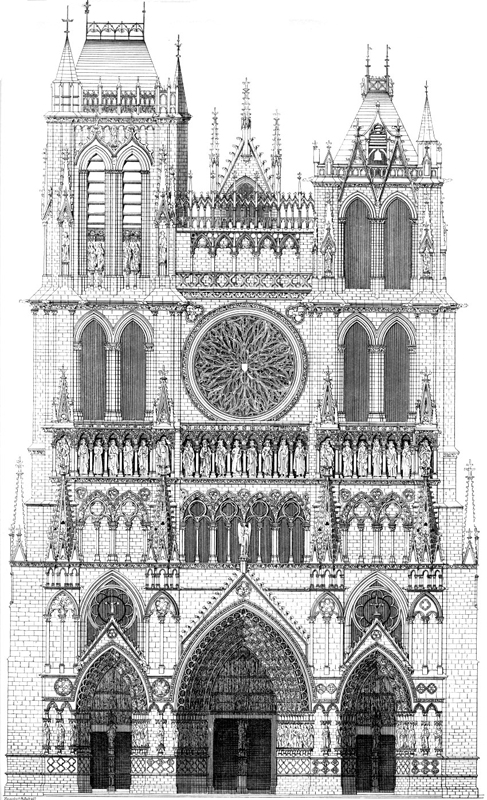 |
| Amiens Cathedral |
 |
| France Chârtres, Notre-Dame Cathedral, Section reconstruction |
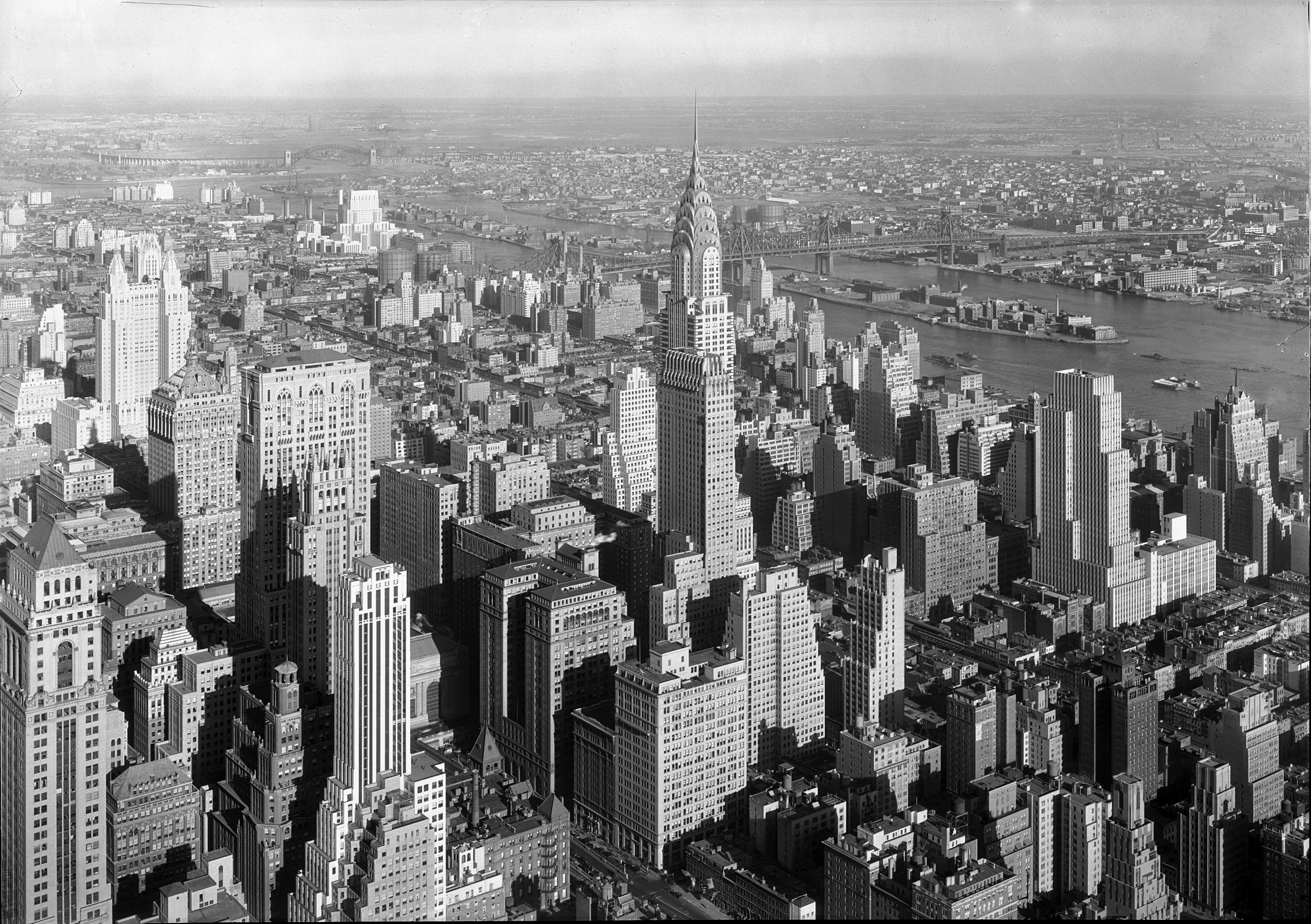 |
| Chrysler Building in Manhattan-scape |
 |
| Chrysler |
 |
| Empire State Building |
 |
| Blade Runner |
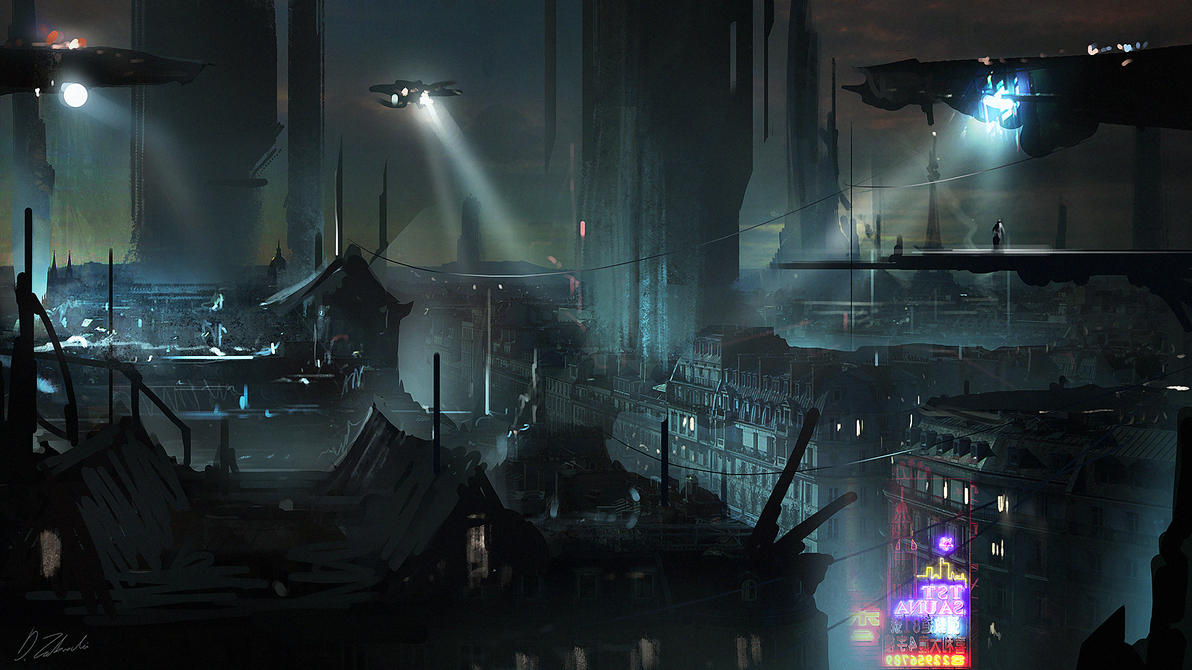 |
| Blade Runner Art |
 |
| Blade Runner Art |
 |
| Blade Runner Art |


.JPG)

(Issue): Ornament

In this age, however, the debate is not about ornament. Yet architects have not yet seemed to define the new state of debate, which is artifice versus authenticity. They have not yet recognized artifice as it is, for it exists in the guise of high technology and sophisticated detailing.


Higher nobility: Truth

"They are eminently aristocratic...in the loftiness of the higher nobility whose allegiance is given to Truth."

You cannot clothe the petty things of life with majesty

"Those tenements and office buildings of which you speak can be made artistic I suppose; but they cannot inspire great art. Your office buildings and factories and stores are matters of percentage. Art is not. Your theaters...are also per cent affairs, where the curious and idle make exchanges with..."
Diameters! Poor fool. Think you that we live by a formula?

"Yes [you have measured] feet and inches; not our spirit....Your architecture! Where is it? Show me some work that is really yours - that your soul delights in. Therein will be the hope for your art....You seek for the dead matter of Art, not for the living spirit, which is the same yesterday, to-day and forever."
"- But how are we to work?
- In thy own delight, and with reason, as we did, and as the great ones that followed us did."


Architecture has its origin in the material needs of mankind, and these, must necessarily control its development. It has furthermore to deal with the stern laws of gravitation and of the strength of materials, to whose behests all its manifestations must be subordinated. In these aspects, then, it is purely utilitarian, and if it stops here, is not an art, but a science or a trade; it is mere building or engineering.
- The Battle of the Styles: Part I, Architectural Record, Vol. I, No. 3, Jan-Mar 1892, pp. 265-275. A.D.F. Hamlin
- The Battle of the Styles: Part I, Architectural Record, Vol. I, No. 3, Jan-Mar 1892, pp. 265-275. A.D.F. Hamlin
...six architectural concepts for the redevelopment of lower Manhattan were put on public display and unveiled in the press. The relative merits of the designs aside, what is most striking about the published presentations us that the newspapers show aerial views of models and schematic plans of land use; none of these show the public what they would encounter on the street.
- Skyscraper, Prologue: The Skyscraper Problem - A Question of Style, Roger Shepherd
Issue #2: Culture
Certain themes will emerge. One of them is a constantly evolving set of oppositions in an ongoing "battle of the styles," as the early writers often called it. Simply put, these contests occur between things like engineering and architecture; the old world and the new; traditional forms versus function and experimentation; commerce and utility versus art and beauty, the rational mind versus the spirit; the machine versus humanity; size versus scale. Together they form a kind of collective anxiety, the American struggle with the space between the ideal and the actual...Americans don't clothe or house themselves with ease, as do the people of Sweden say, or the Ivory Coast. They struggle with culture self-consciously, like Jacob wrestling with the angel....Someday, Americans will find out who they are -- and be comfortable with it. Meanwhile, the by-products of this process are pretty interesting if we pay attention. It is their in-betweeness that is often most American.
- Skyscraper, Prologue: The Skyscraper Problem - A Question of Style, Roger Shepherd
Issue #1: Verticality
And the street and avenue facades are a disappointment. As in the case in so many high buildings, a soaring and carefully composed grandeur above disintegrates near the ground level. Great tower scale and pleasant street scale seem difficult to reconcile...Superficial and obvious, its generally merely satisfactory proportions, its rich materials cannot redeem its heavy-handed detail, its basic lack of that creative imagination that distinguishes the tower. To the thousands passing, it brings no lift, no "kick"-it is just another building to walk past-adequate perhaps, but humdrum.
- Talbot Faulkner Hamlin criticizing the Empire State Building's relationship to street


Subscribe to:
Posts (Atom)